The ordinary blueprint
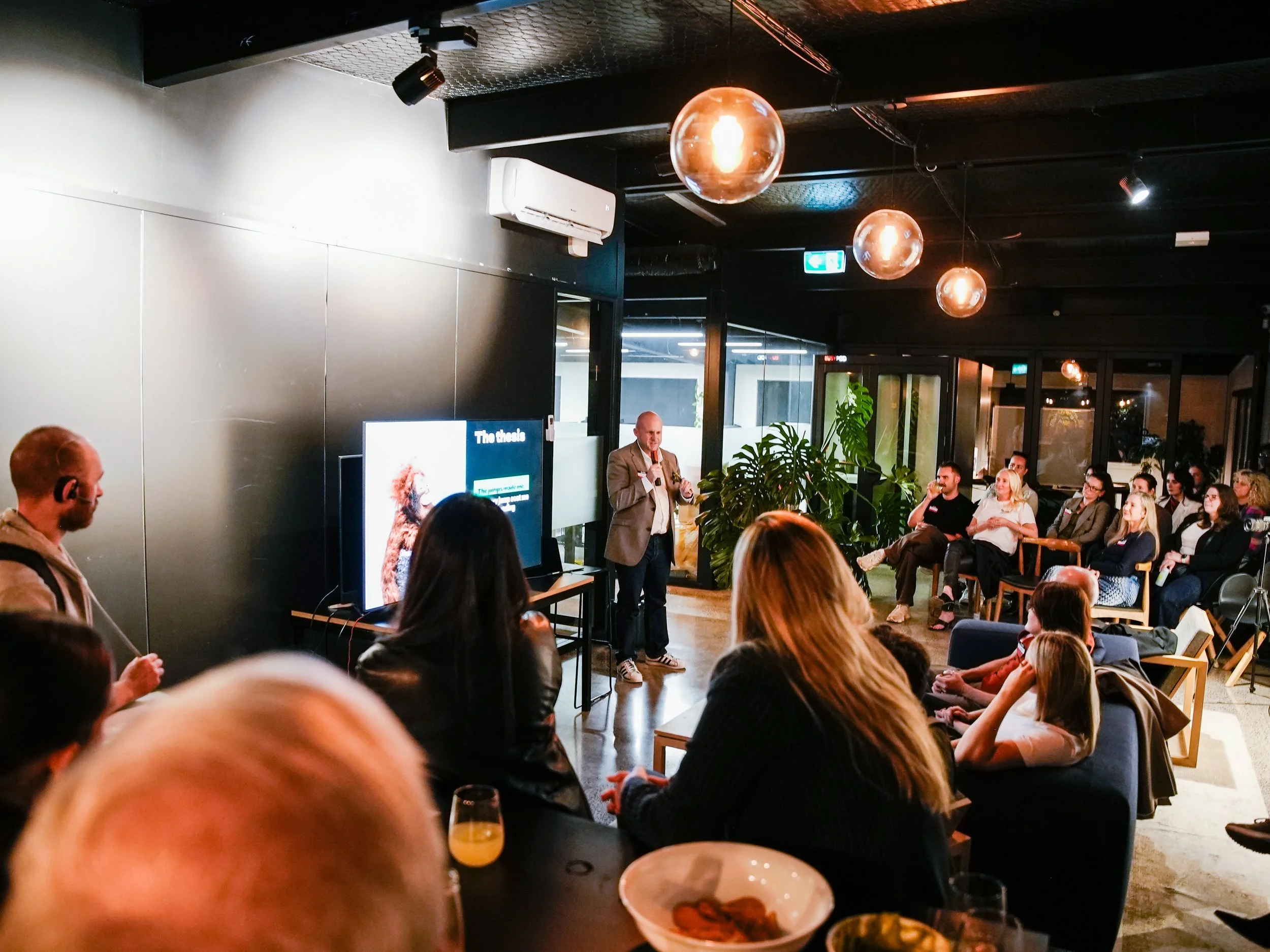
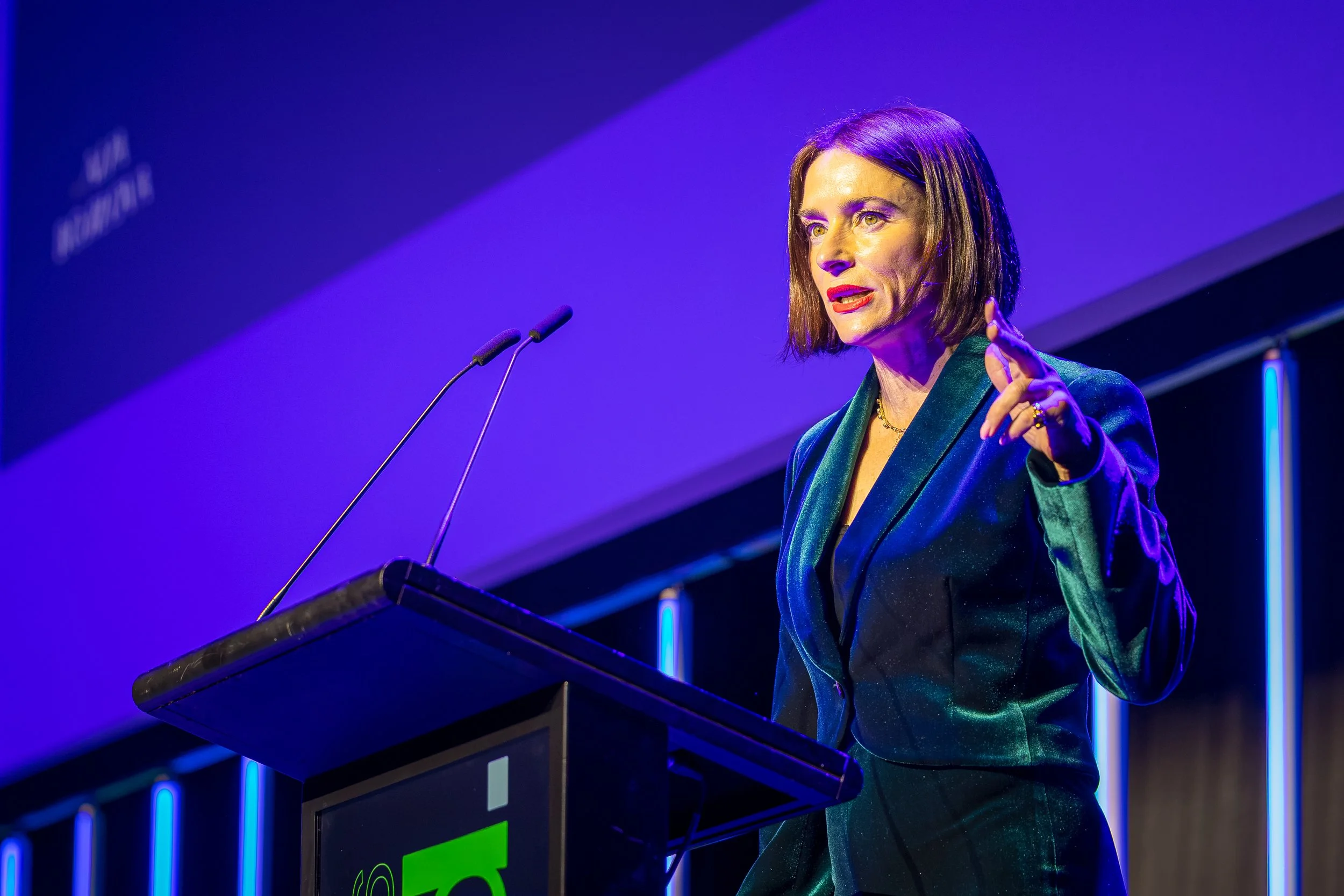
For six years, Dr Alia Bojilova was Lead Psychologist for the New Zealand Special Air Service, and what stayed with her was how ordinary those extraordinary people were. They carried the same fears and private doubts as the rest of us, and what set them apart was the work done long before the moment that tested them. In The Ordinary Blueprint, Alia explores where performance under pressure is decided, why change tests people before it tests plans, and why "nobody becomes capable on the day they need to be."
Why fast-growing businesses are often the most cash-strapped.
There's a moment most founders know but few talk about openly: the month your revenue is up, your pipeline is strong, and your bank account is somehow emptier than it's ever been. It feels like a personal failure. It isn't. It's a structural feature of how growth works, and once you understand it, you can start doing something about it.
It's a problem we hear about constantly from people in our community, so we sat down with the team at Taxi, the Auckland fintech built to solve exactly this, to talk about why it happens and what founders can do about it.
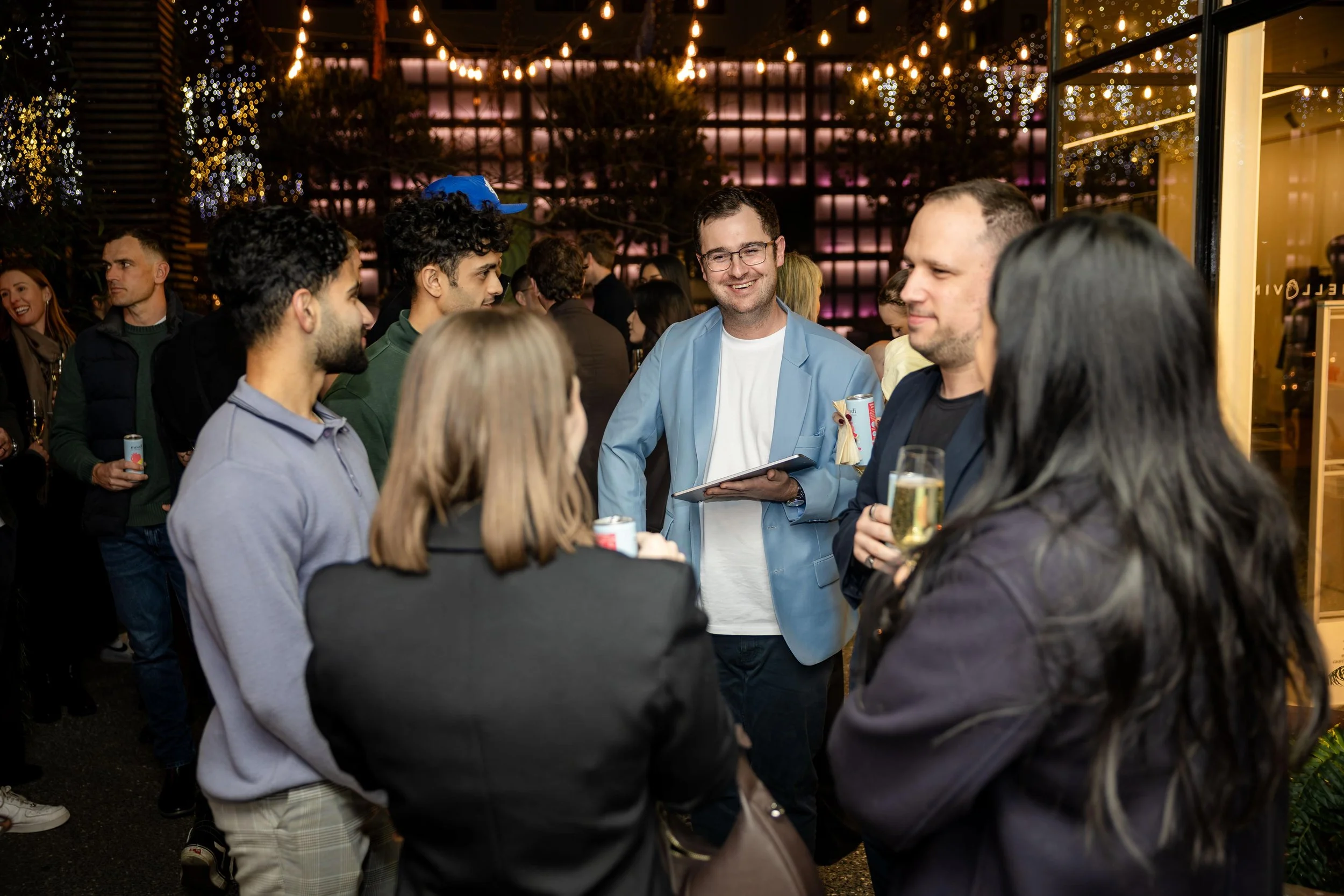
How do you accidentally launch a global luxury jewellery brand?
How do you accidentally launch a global luxury jewellery brand? Just ask Liam Whittaker, the man with a knack for spotting industries rife for disruption.
Liam launched Heirest just 4 weeks ago as a partner with Revved. But before he’d even finalised the brand or website, he’d secured over $500,000 in organic bespoke jewellery sales. We’re following his founder journey over the next 12-months, starting with this Q&A below asking the tough questions.
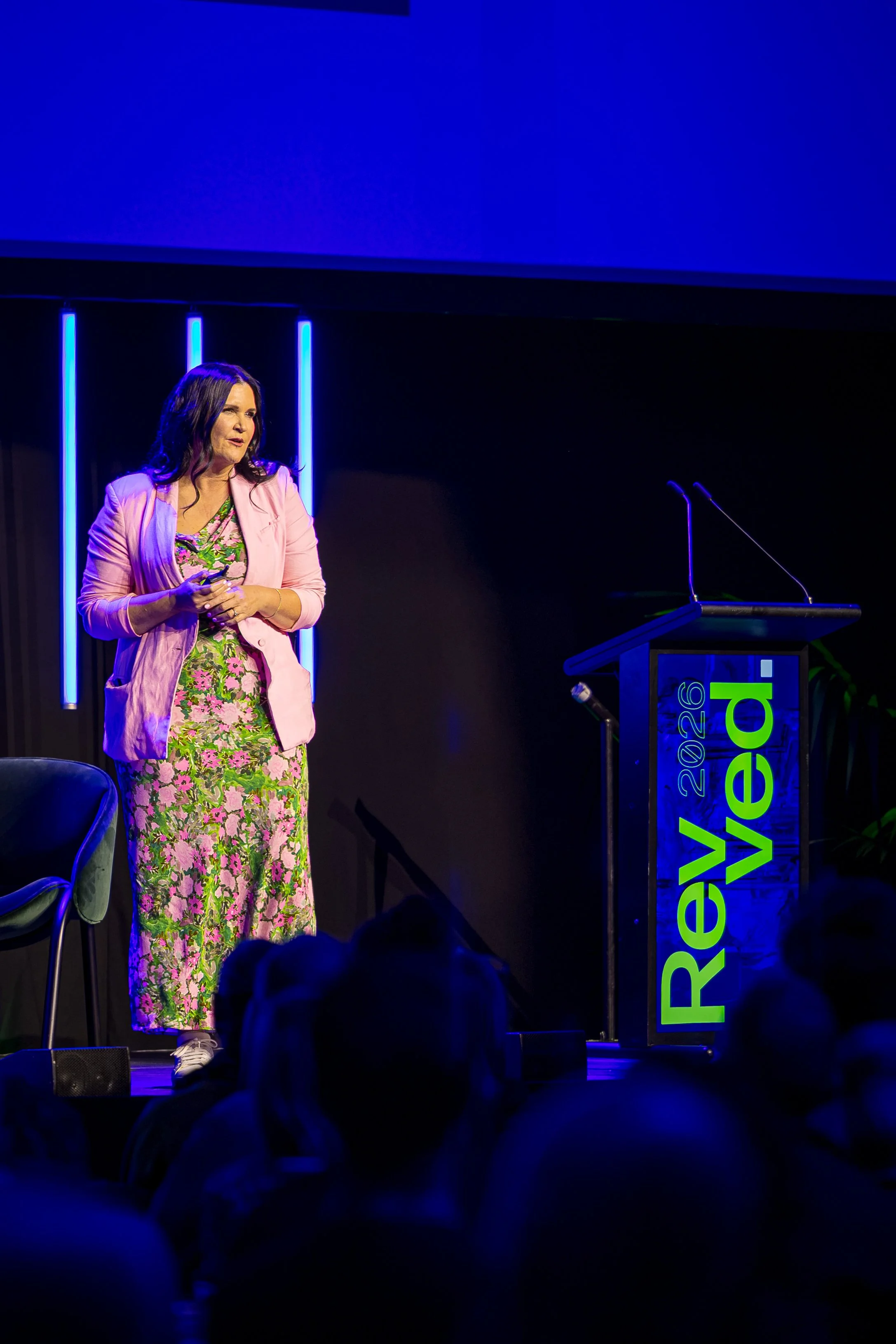
How to reframe the stories we tell ourselves
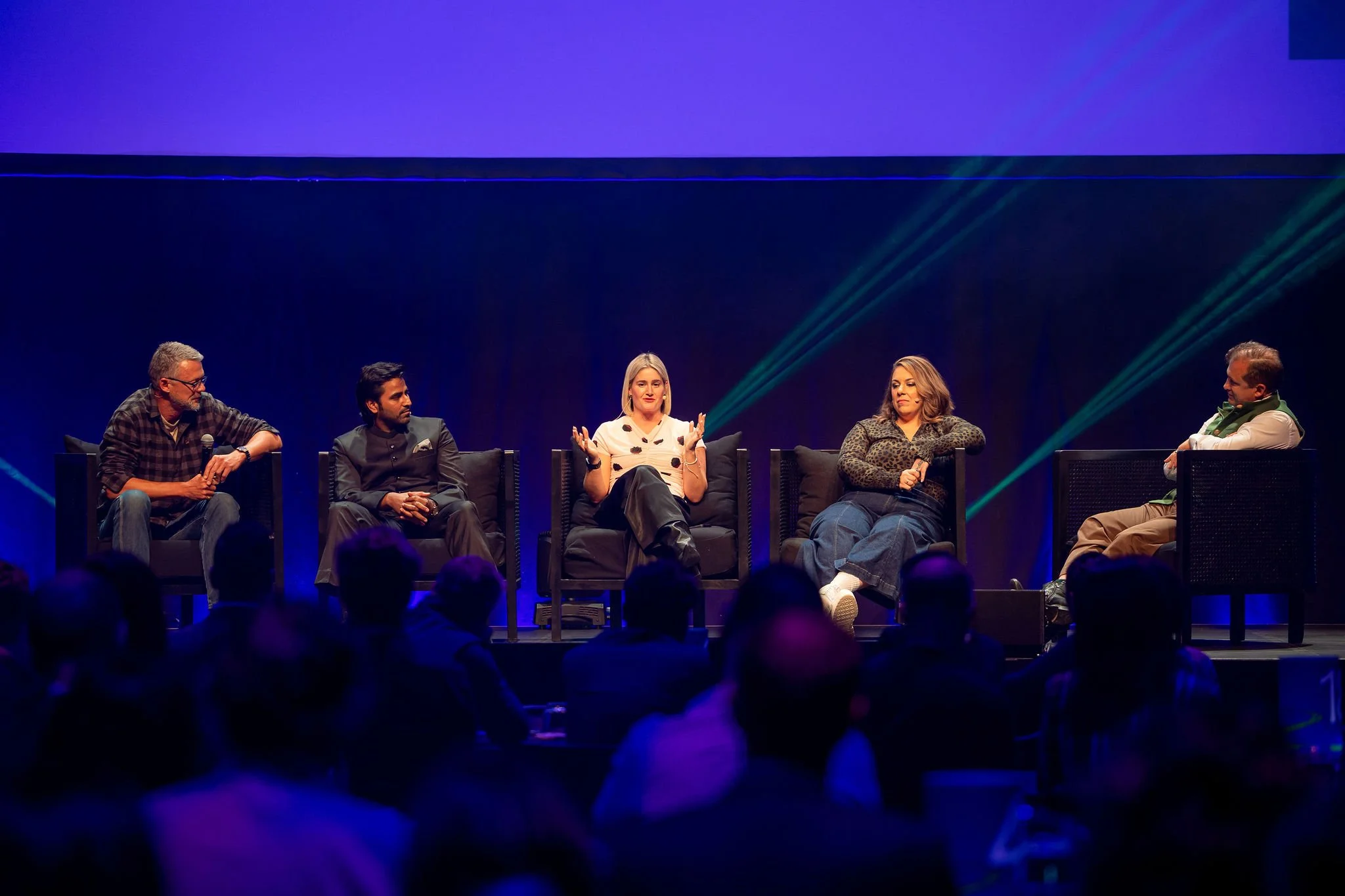
At Revved 2026 Summit, Nicola Taylor began with a simple thesis: we don’t experience the world as it is; we experience it through the stories we believe. Story is what we believe is possible. Strategy is what we plan to do to produce a result. And when the story underneath a strategy is limiting, it can shape what we see, how we act and ultimately what becomes possible. Nicola’s challenge to the room, and now to you: what might change if you questioned a story you have been treating as fact?